
2026-10-11 · David Miller
Spotting Mouse Signs In Kannapolis Yards And Crawl Spaces
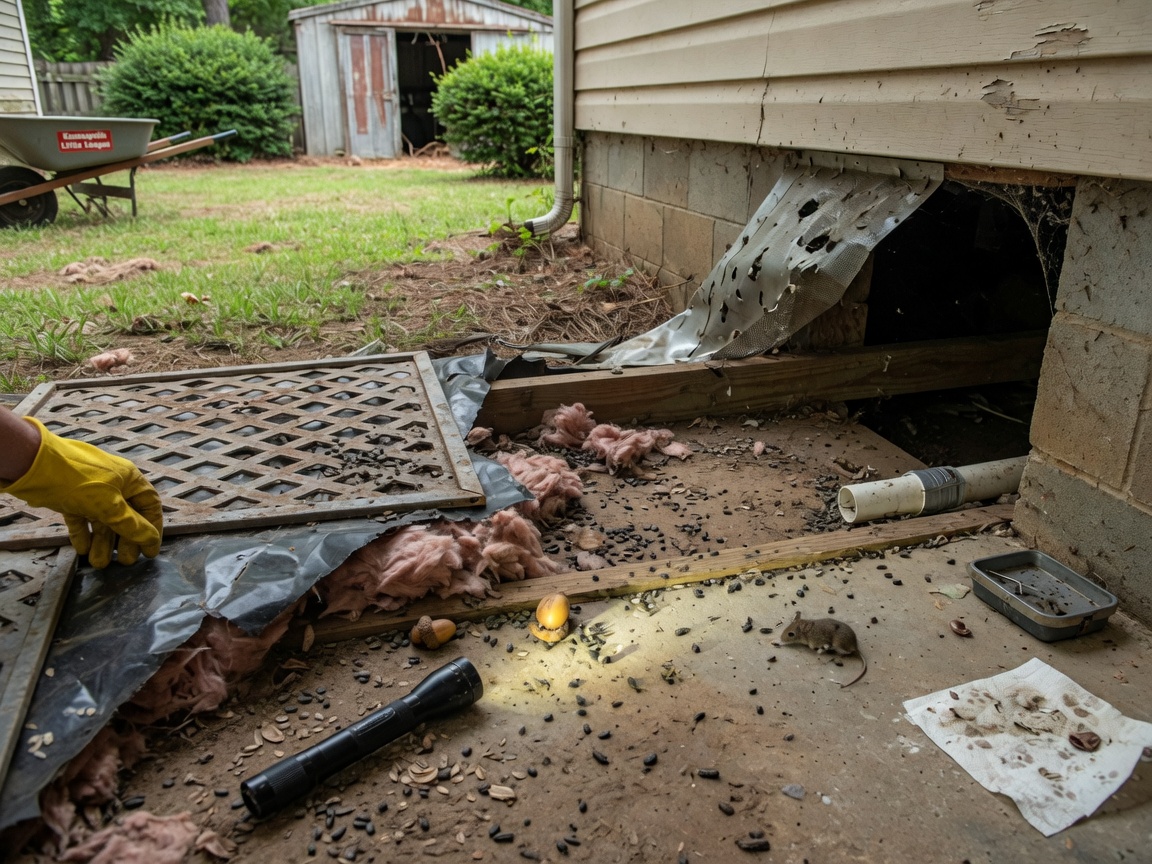
Spotting mouse signs in Kannapolis yards and crawl spaces often comes down to recognizing subtle indicators like tiny droppings, gnaw marks on wood or wiring, and faint, musky odors. In our humid subtropical climate, especially as seasons change and mice seek shelter from both hot summers and mild winters, these signs become more prevalent. Whether you're in the historic homes of Cannon Village or newer constructions in Westside, understanding what to look for can be the first step in preventing a significant rodent problem. These small creatures are highly adept at finding entry points, and early detection is key to effective mouse removal.
Common Mouse Droppings and Urine Stains
One of the most undeniable signs of mouse activity in your Kannapolis yard or crawl space is the presence of their droppings. Mouse droppings are small, typically about 1/8 to 1/4 inch long, dark, and resemble tiny black grains of rice. You'll often find them concentrated in areas where mice feed, travel, or nest. In crawl spaces, check along joists, near insulation, and around any stored items. In yards, droppings might be harder to spot due to natural debris, but look near foundations, woodpiles, or under outdoor storage sheds. The fresher the droppings, the shinier and softer they appear; older droppings are dull and brittle. Along with droppings, you might also notice urine stains or pillars. These are small, yellowish-brown stains that can accumulate over time, especially in undisturbed areas of a crawl space, creating a distinct, stale, ammonia-like odor that becomes more pronounced with a larger infestation.
Gnaw Marks on Structures and Vegetation
Mice constantly gnaw to keep their incisors from growing too long, and this habit leaves telltale signs. In your yard, inspect wooden fences, deck supports, and even the base of trees or shrubbery for small, parallel gnaw marks. These marks are usually about 1-2 mm wide. Inside crawl spaces, the damage can be more significant and concerning. Look for gnaw marks on wooden beams, subflooring, and especially on electrical wiring or plumbing pipes. Damaged wiring poses a significant fire hazard, making early detection crucial. Homes in areas like the Kannapolis Historic District, with older wooden foundations and accessible crawl spaces, can be particularly susceptible to this type of damage. If you find any such signs, it's a strong indicator that mice are actively present and seeking to create or expand entry points.
Tracks and Runways in Dusty Areas
Mice tend to follow established paths, creating what are known as runways. In dusty crawl spaces or along the perimeter of your yard, you might be able to spot these subtle trails. Look for narrow paths in the dust or dirt, often about 1 inch wide, that are smoother than the surrounding surface. Sometimes, you can even see tiny footprints or tail drags within these runways. To test for activity, you can sprinkle a thin layer of flour or talcum powder in suspected areas and check for tracks the next day. These runways often lead to potential food sources, water, or entry points into your main living areas. In the humid conditions common to Cabarrus County, damp soil around foundations can also reveal tracks more easily, especially after a rain shower, pointing to areas where mice are frequently traveling.
Nests and Stored Food Supplies
Mice build nests in secluded, undisturbed locations using shredded materials like paper, fabric, insulation, and even dried plant matter. In your yard, check under sheds, in woodpiles, or dense shrubbery for collections of these materials. In crawl spaces, nests are commonly found in corners, behind stored items, or within insulation. These nests are typically ball-shaped and 4-6 inches in diameter. Along with nests, mice will often create small caches of stored food supplies. This might include seeds, nuts, or even pet food they've scavenged. Discovering a nest or a stash of food is a clear indication of an active and established mouse presence. For more insights on where mice might be hiding in your home, consider reading our article on Mice in Attic as attics and crawl spaces share many similar harborage characteristics.
Unexplained Noises and Odors
While not visual, auditory and olfactory cues are powerful indicators of mice. In the quiet of the evening, you might hear scratching, gnawing, or scurrying noises coming from your crawl space or even within your walls. These sounds are often most noticeable when mice are most active, typically at night. Beyond the sounds, a persistent, musky odor can signal a mouse infestation. This smell is often described as stale or ammonia-like and is caused by mouse urine and droppings accumulating over time. The odor can be particularly strong in enclosed spaces like crawl spaces, and if you notice it, it's a strong sign that mice have established a presence. This is especially true in older homes in neighborhoods like Downtown Kannapolis, where crawl spaces might be less frequently accessed.